Thermally Enhanced HC3DP Nozzles
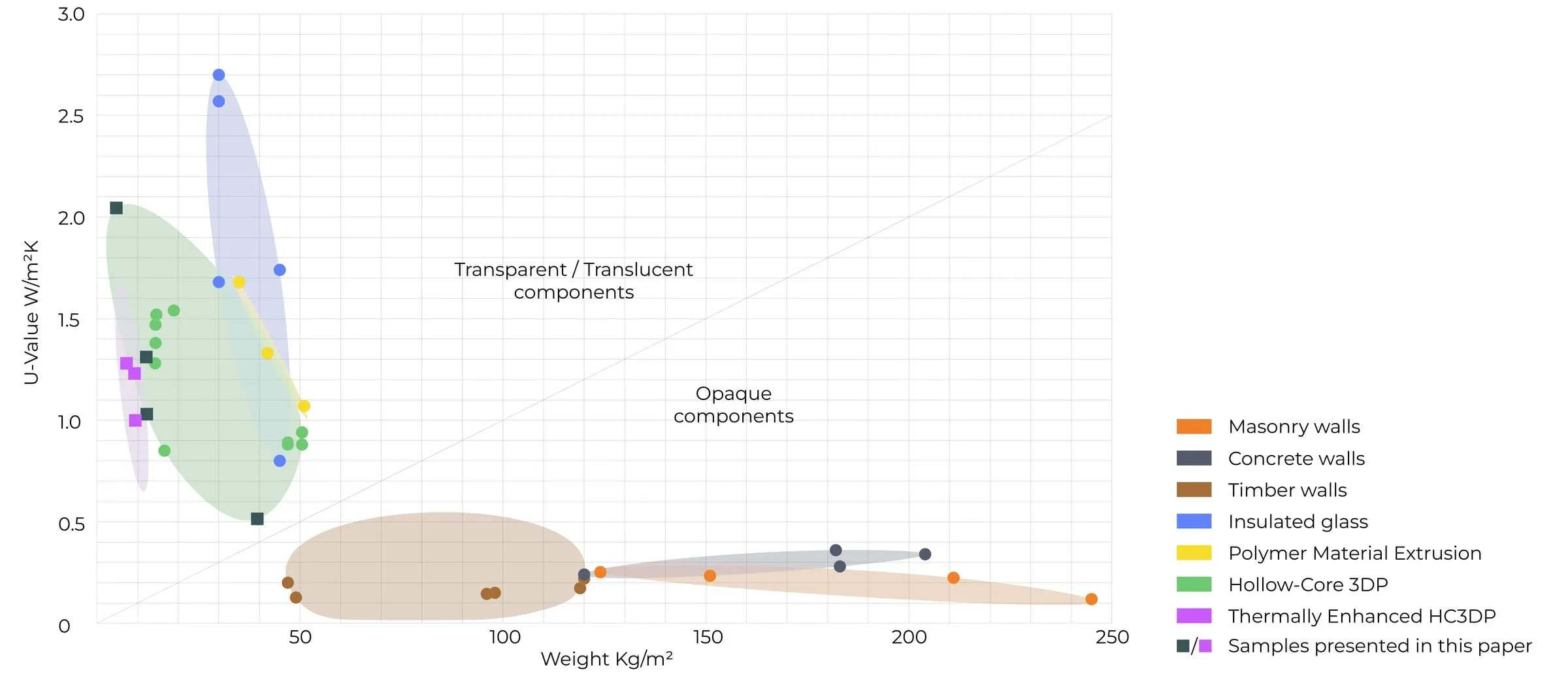
Bespoke metal-printed nozzles with internal cavities turn the Hollow-Core bead section into a thermal design variable, bringing a single-pane, mono-material panel in recycled PETG to a U-value of 0.988 W/m²K with half the print path of an insulation-equivalent wall.
- Year
- 2024
- Location
- ETH Zürich, Switzerland
- Institution
- ETH Zürich: Digital Building Technologies, Architecture and Building Systems, Gramazio Kohler Research
- Collaborators
- Valeria Piccioni, Francesco Milano, Fabio Gramazio, Matthias Kohler, Arno Schlüter, Benjamin Dillenburger
- Category
- Material Research, Large-Scale 3D Printing, Computational Design
- Role
- Research lead and first author: concept, methodology, nozzle design, fabrication, simulation, testing and analysis
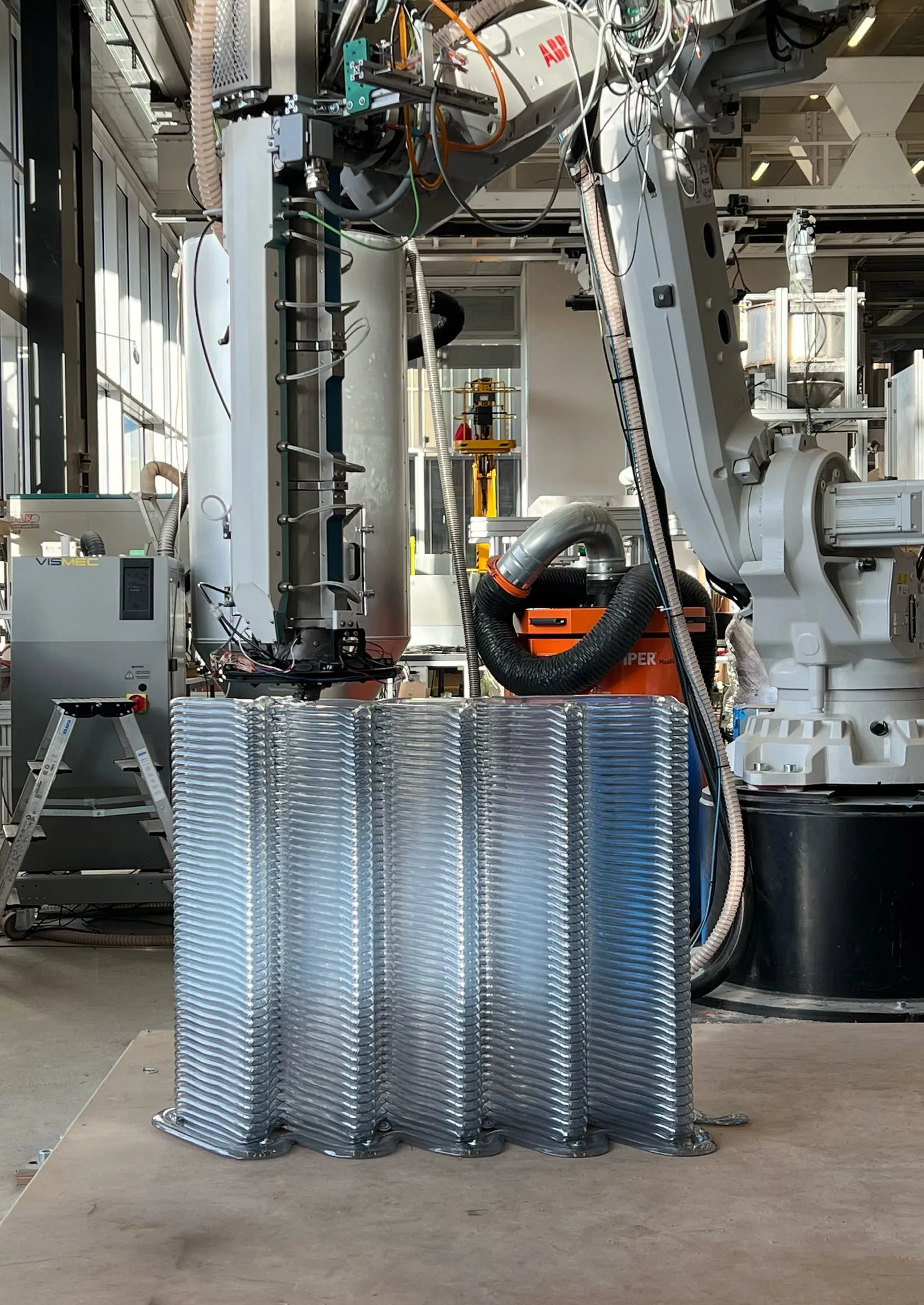
Project
Hollow-Core 3D Printing (HC3DP) extrudes a tubular bead instead of a solid one, so a printed panel encloses air and is light, fast to print and insulating. Reaching building insulation standards, however, has so far required double panes with internal infill structures, which cancels much of the material and time advantage. This research asks whether a single-pane, mono-material panel can be insulated through the nozzle instead, by designing the cross-section of the bead itself.
The experiments were carried out in 2024, and the results were published in 2025 in Sustainable Materials and Technologies as “Thermal enhancement of Hollow-Core 3DP through nozzle design customization” (doi:10.1016/j.susmat.2025.e01273).
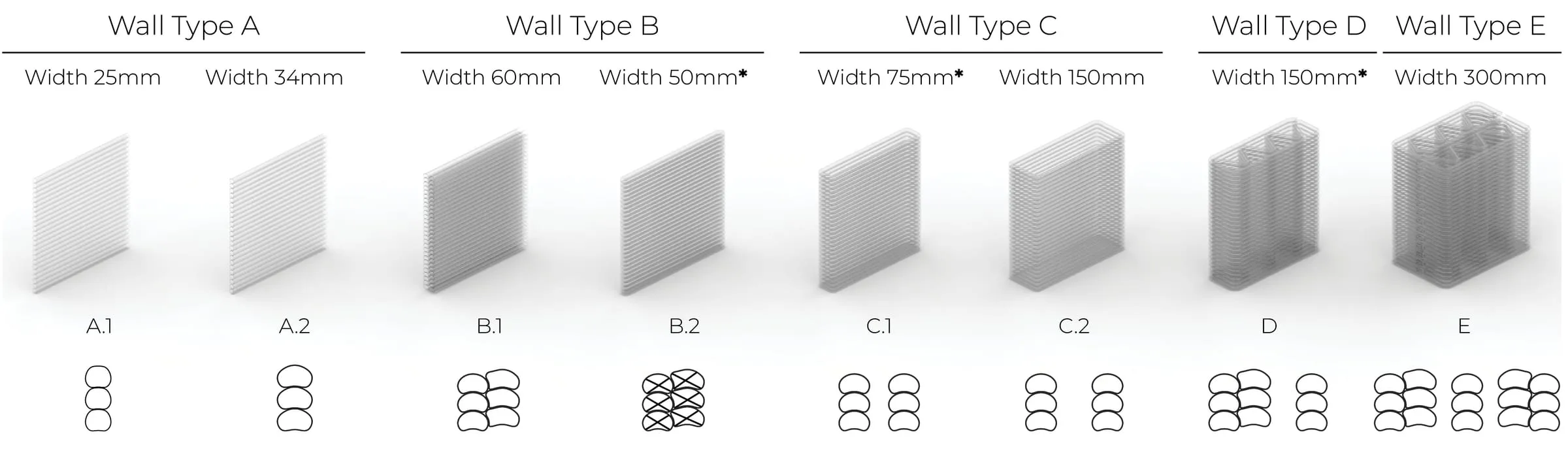
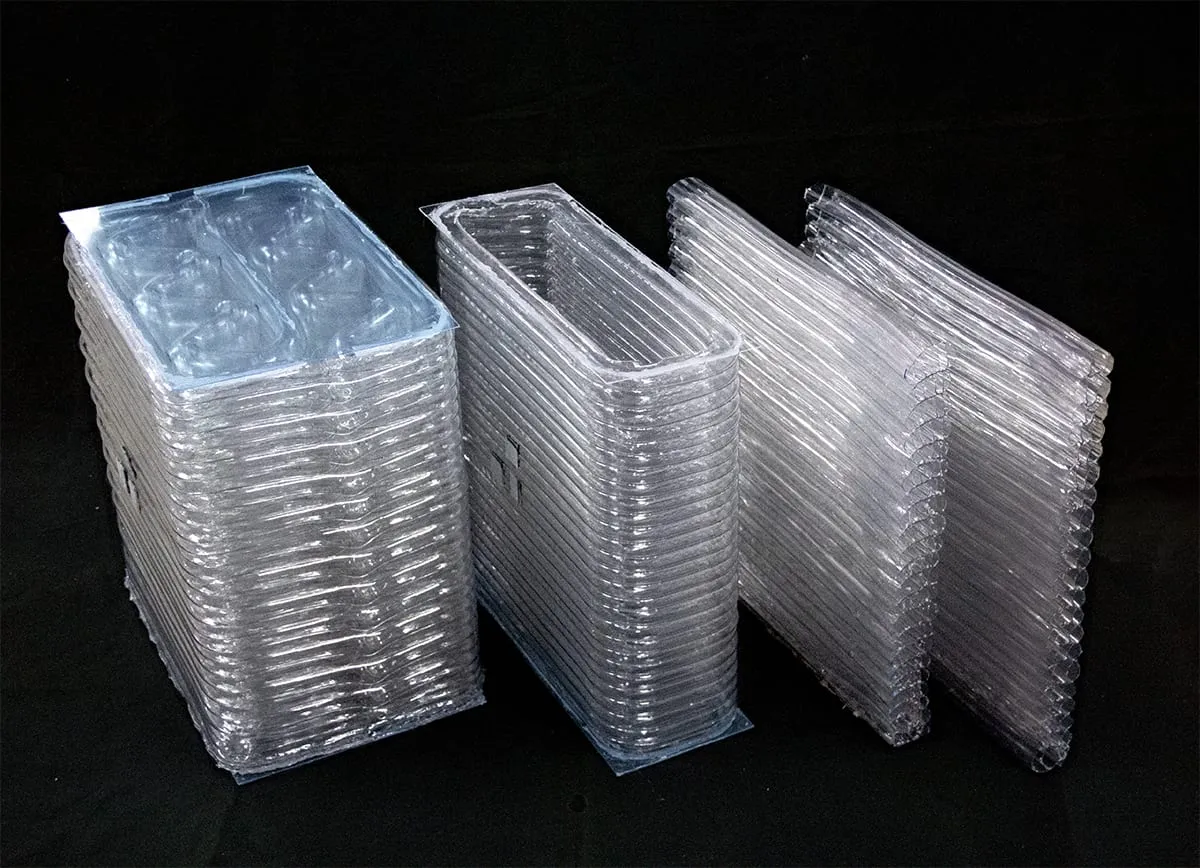
Wall typologies
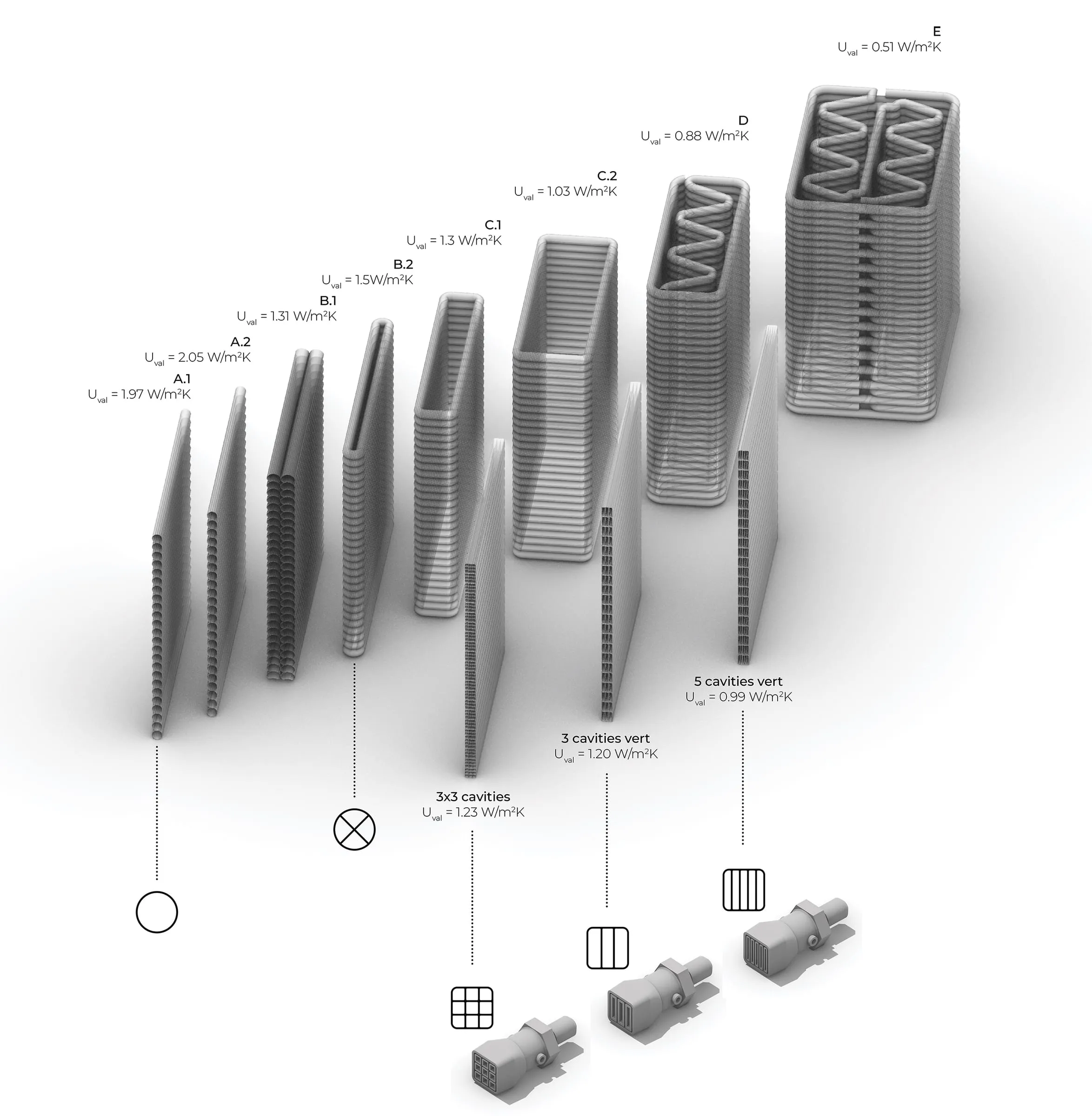
First, the catalogue of HC3DP wall typologies was completed and measured in a hot box, from single panes to multi-pane panels with air chambers and internal zig-zag structures. The results show the cost of insulating with geometry: reaching triple-glazing values requires five to eight times more material and print path than a single pane.
Nozzle design
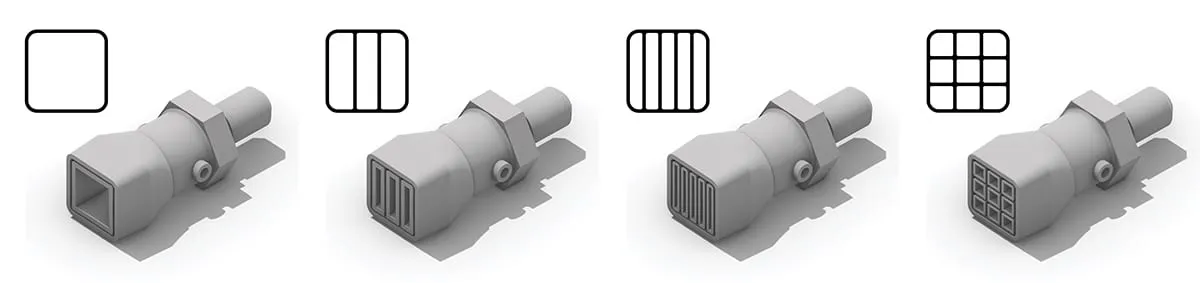
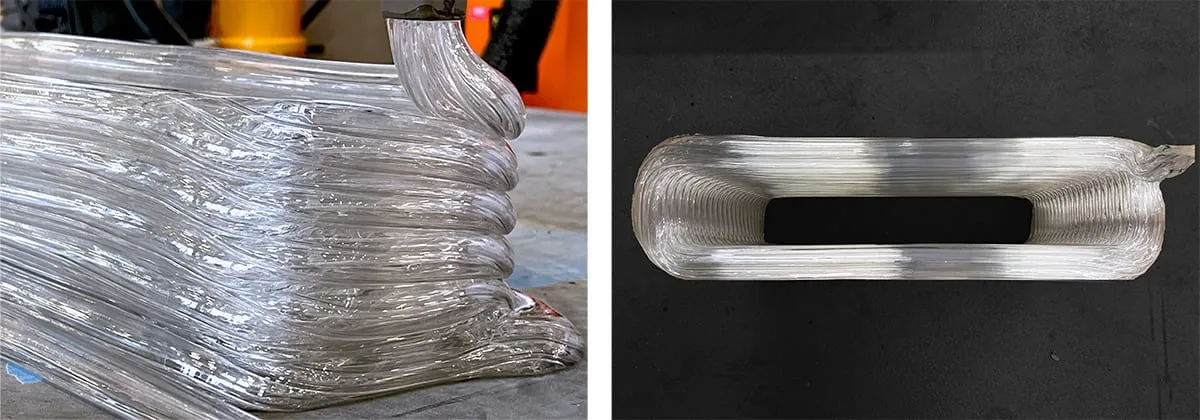
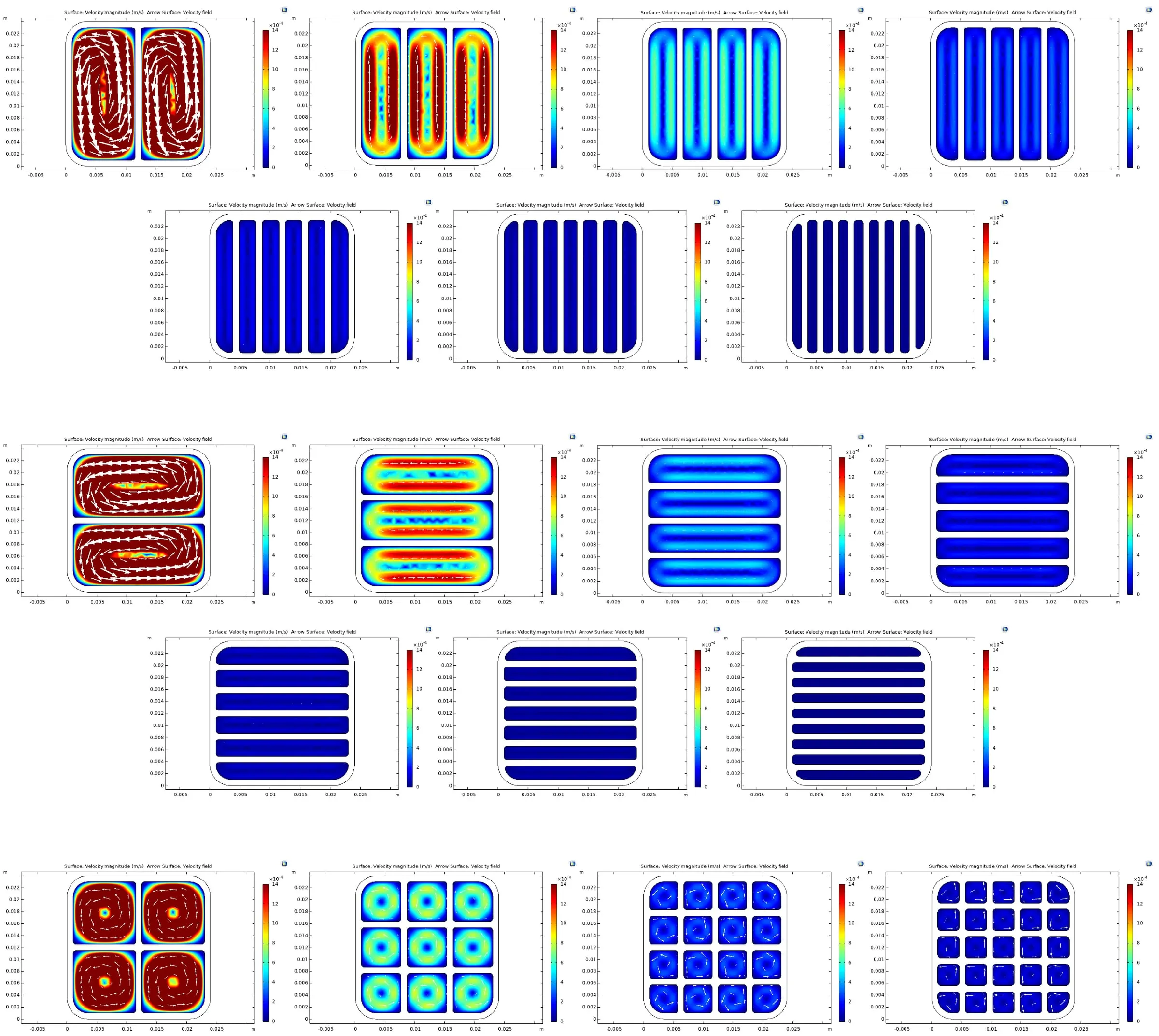
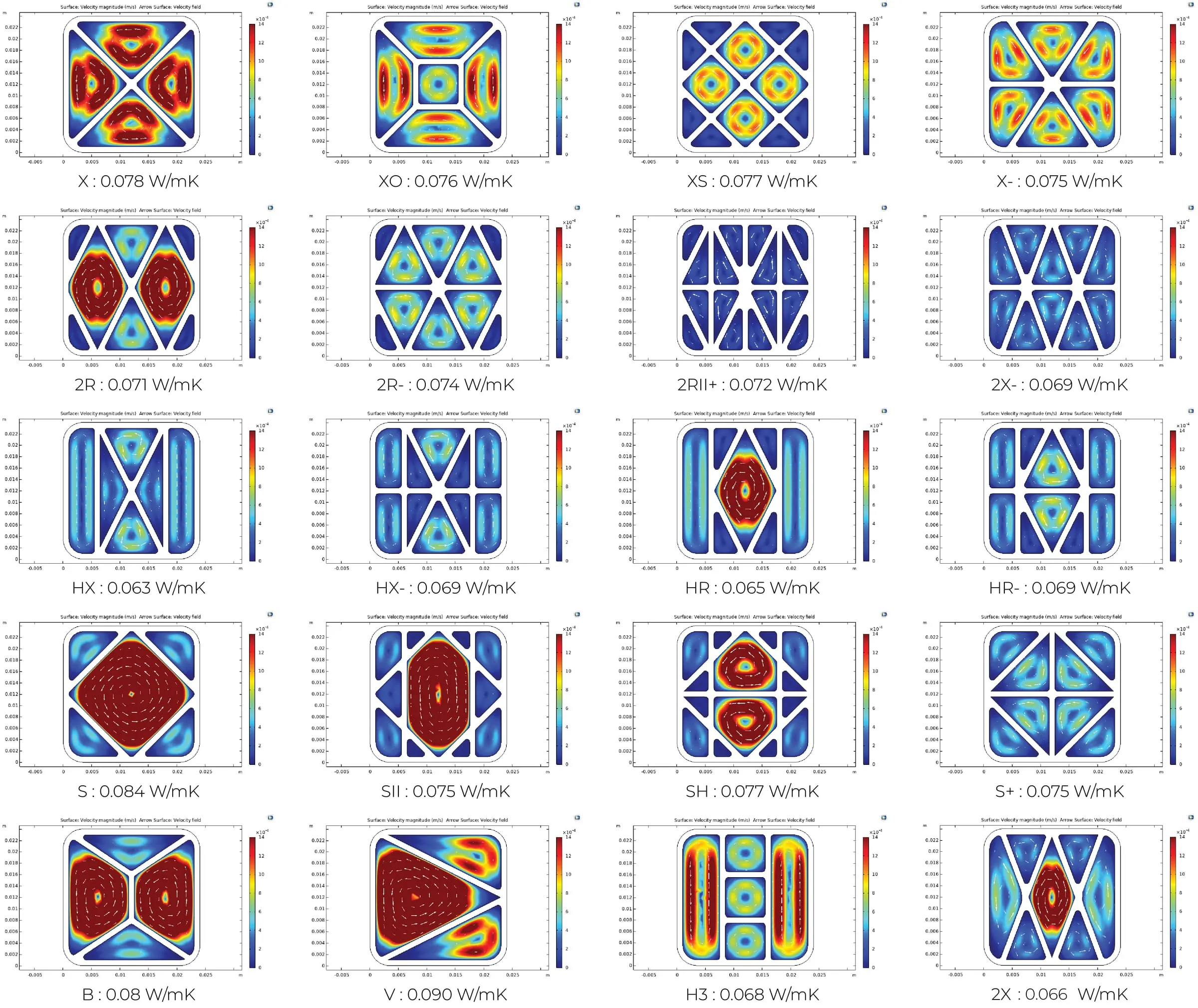
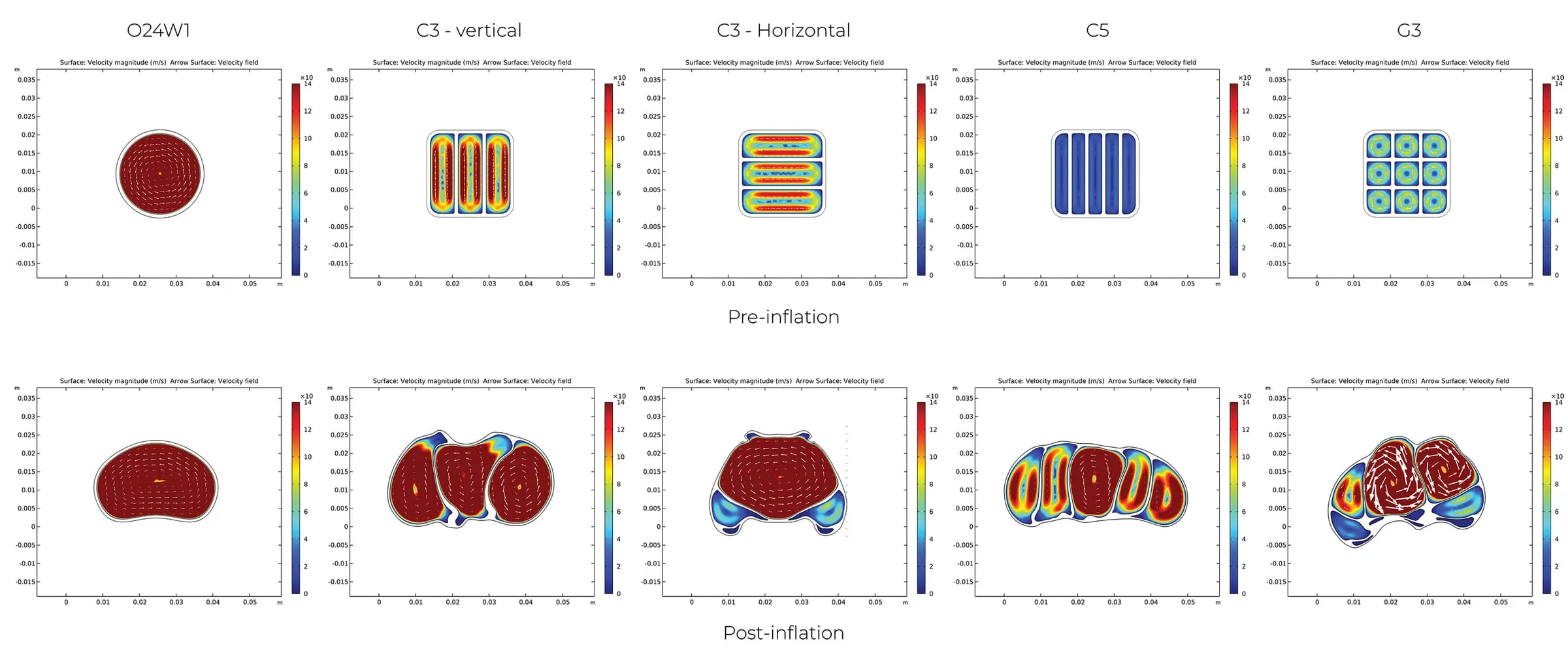
Inspired by the internal cells of multiwall polycarbonate panels, a family of square bead sections with internal subdivisions was designed and analysed through thermal simulation in COMSOL Multiphysics. Three sections were selected, with 3 vertical cavities, 5 vertical cavities and a 3 × 3 grid. The nozzles were printed in aluminium (AlSi10Mg) by Direct Metal Laser Sintering, with internal channels that split the polymer and distribute air evenly into every cavity. Panels of 0.5 × 0.5 m were printed in post-industrial recycled PETG with an ABB IRB 4600 and a CEAD extruder, and tested in the hot box.
Results
- The 5-cavity nozzle reached a U-value of 0.988 W/m²K on a single-pane panel, half that of a single pane printed with a circular bead.
- Compared with an insulation-equivalent wall typology, the enhanced nozzles saved 50 to 64 % of print path and up to 40 % of material.
- Vertical cavities parallel to the panel surface insulate most efficiently. Cavities narrower than about 5 mm bring little further improvement, and horizontal connections between the inner and outer surface increase heat transfer.
- Wall thickness has little thermal effect, so it can be chosen for structural reasons instead.
The bead section thereby becomes a design variable that can adapt a panel to the thermal requirements of its location and orientation, while the panel stays mono-material and recyclable.
My contribution
Conceptualisation and methodology, nozzle design, robotic fabrication of the specimens, simulation, hot-box testing, data analysis and visualisation, and writing of the paper.
Photos: Nik Eftekhar Olivo
Publications
- Eftekhar Olivo, N., Piccioni, V., Milano, F., Gramazio, F., Kohler, M., Schlueter, A., & Dillenburger, B. (2025). Thermal enhancement of Hollow-Core 3DP through nozzle design customization. Sustainable Materials and Technologies, 43, e01273. doi:10.1016/j.susmat.2025.e01273